The US government has ramped up its
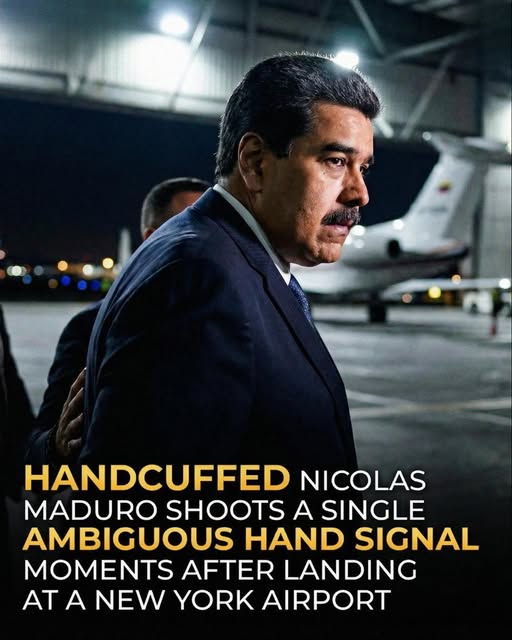
The initial explosions struck in the early morning darkness. Shortly after, former President Donald Trump posted on Truth Social, claiming the capture of Venezuela’s leader.
The capital, Caracas, was thrown into chaos with military targets ablaze and the sky illuminated by fire. The United States government labeled the action a strike against narcoterrorists.
Venezuela’s government denounced it as a brazen act of aggression aimed at stealing the nation’s oil and power. This military escalation marks the most severe confrontation between the U.S. and Latin America in recent years.
By attacking sites in and around the capital, the U.S. crossed a red line that Caracas had long cautioned against. Trump’s gloating online posts, promising further details, intensified fears that this was merely the start of a broader conflict.
Within Venezuela, a state of emergency was declared. The administration frames the assault as a pretext for an imperialist resource grab, shifting its rhetoric from past offers of negotiation to vows of an “eternal war.”
Regional neighbors, including Cuba and Colombia, quickly condemned the attacks, anxious the violence could spread across the hemisphere. The landscape for diplomacy appears dangerously fractured.
With Trump’s inflammatory language and Venezuela’s warnings of a full invasion, the situation grows increasingly volatile. Civilians are left awaiting what the next day may bring, as the prospect of a contained operation fades.