Global Shockwaves After the Overnight
**Shock Operation**
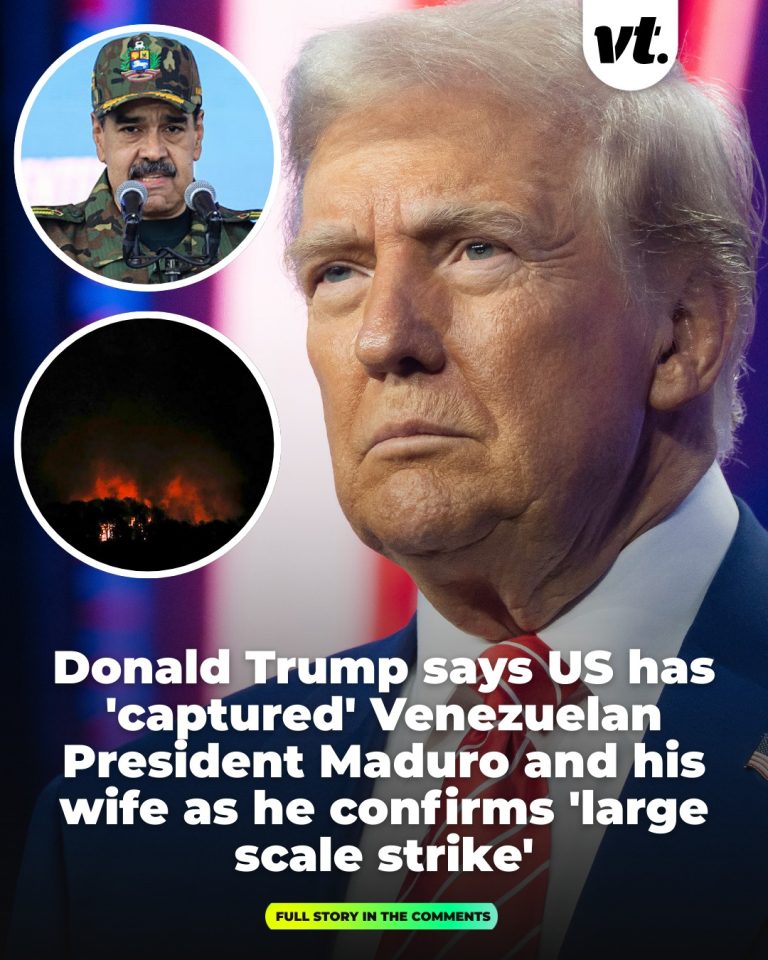
A dramatic overnight operation, led by the United States, resulted in the capture of Venezuelan leader Nicolás Maduro. This event sent profound tremors through global politics, directly confronting established principles of state sovereignty and the legitimacy of unilateral military interventions.
**Global Divide**
The action revealed a deep international schism. Its proponents defended it as a necessary step toward justice, arguing it held Maduro accountable for longstanding allegations of authoritarian rule and systemic corruption within his government.
Conversely, many nations and experts sharply criticized the operation. They warned it constituted a dangerous breach of international law, setting a precedent where powerful countries might feel empowered to sideline diplomatic and legal frameworks to achieve political ends.
**International Reactions**
Major powers like China and Russia issued strong condemnations. They described the mission as destabilizing and expressed fear it could normalize the forced removal of foreign leaders, threatening global order.
Within Latin America, reactions were divided, reflecting regional political fractures. Some traditional U.S. allies offered cautious support but simultaneously emphasized the critical need for transparency and adherence to legal procedures in the aftermath.
**Broader Implications**
This incident has significantly intensified worldwide debates concerning global governance. It underscores the growing tensions in a multipolar world between the pursuit of justice, the raw application of power, and the question of legitimate authority.
Ultimately, the capture of Maduro forces a fundamental and unsettling question: in an increasingly fragmented international system, who holds the authority to determine when established rules may be violated? The event leaves the global community grappling with concerns over a return to might-makes-right dynamics.