After Minneapolis ICE Shooting, Trump Calls the Driver “Disorderly” and Blames Political Agitators
The fatal shooting of Renee Nicole Good, a 37-year-old poet and mother, by a federal immigration officer in Minneapolis has ignited national scrutiny. The incident occurred during a U.S. Immigration and Customs Enforcement operation, with circulating video footage fueling intense public debate and sharply divided interpretations.
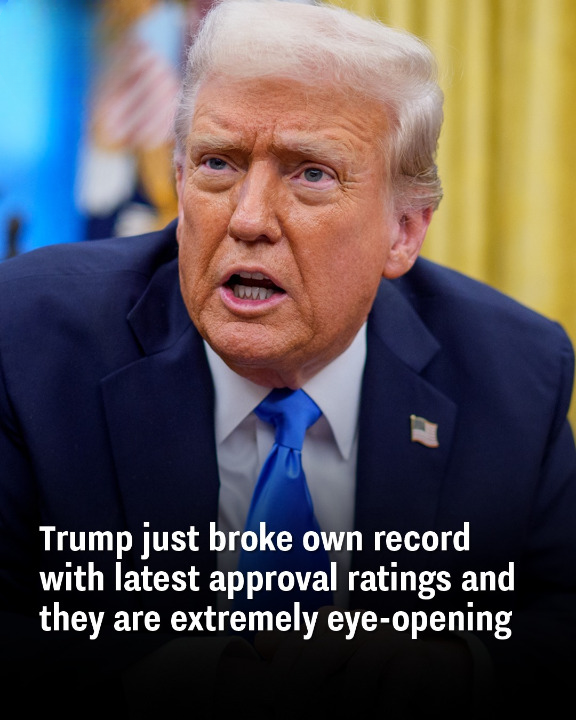
Former President Donald Trump commented on the footage, calling it “horrible to watch” but characterizing Good as “disorderly.” He claimed she “violently, willfully, and viciously” struck an officer with her vehicle, framing the shooting as self-defense and blaming the “Radical Left” for hostility toward law enforcement.
The publicly available video shows ICE agents surrounding Good’s SUV. It depicts her vehicle briefly reversing before moving forward, after which an officer fires three shots. The car later collides with a parked vehicle. The footage does not clearly show the SUV striking an officer, a key point of contention.
Good’s mother, Donna Ganger, described her daughter as kind and compassionate, stating she was likely terrified. She strongly denied claims linking Good to any protests. Minneapolis Mayor Jacob Frey also challenged ICE’s account after viewing the video, stating, “This was not self-defense,” and called for federal agents to leave the city.
A Department of Homeland Security spokesperson defended the agent, alleging Good “weaponized her vehicle” and calling the incident “domestic terrorism.” This language drew immediate criticism from civil-rights advocates and local officials.
Protests erupted in Minneapolis, with some demonstrations leading to clashes. Governor Tim Walz placed the National Guard on standby, urging restraint and stating Minnesota would not be used as a “prop in a national political fight.”
The killing has reignited debates over ICE operations, use-of-force standards, and federal-local coordination. Investigations continue amid calls for transparency and accountability. Beyond the dispute, a life was lost, a family grieves, and a community is left with profound questions about enforcement and civil rights.