Court Decision Closes a Legal Chapter, But Public Questions Continue
The Supreme Court has declined to hear Ghislaine Maxwell’s final appeal, a quiet but definitive end to her legal options. This decision closes what many saw as the last potential avenue for broader disclosures regarding her knowledge and connections.
By refusing the appeal, the Court has reinforced a contained version of accountability: one defendant, one conviction, one sentence. The judicial system can point to this as a completed proceeding.
However, for many observers, the case has always suggested something far larger than Maxwell alone. Her conviction, while final, leaves persistent questions unanswered about influence and protection within powerful circles.
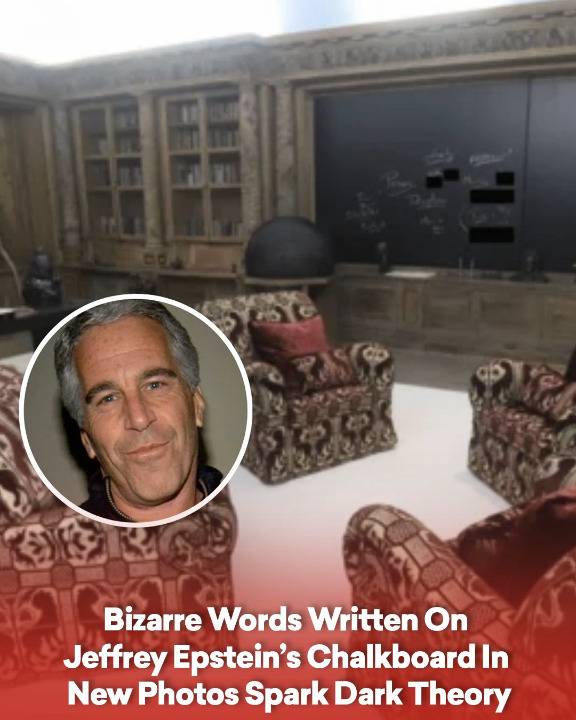
Maxwell’s central role stemmed from her proximity to Jeffrey Epstein, placing her within a world built on access and trust that extended into elite realms of politics, finance, and celebrity.
Courts are designed to adjudicate specific charges against individuals, not to unravel entire hidden ecosystems. When culpability is diffuse across a privileged network, it often eludes standard legal channels.
Consequently, the public is left with fragments—redacted documents, unnamed associates, and unresolved reports. These pieces contribute to a sense of unfinished truth.
While Maxwell’s sentence is settled, the broader story concludes not with clarity, but with a sealed door. The legal limits have been reached, leaving many secrets preserved behind them.