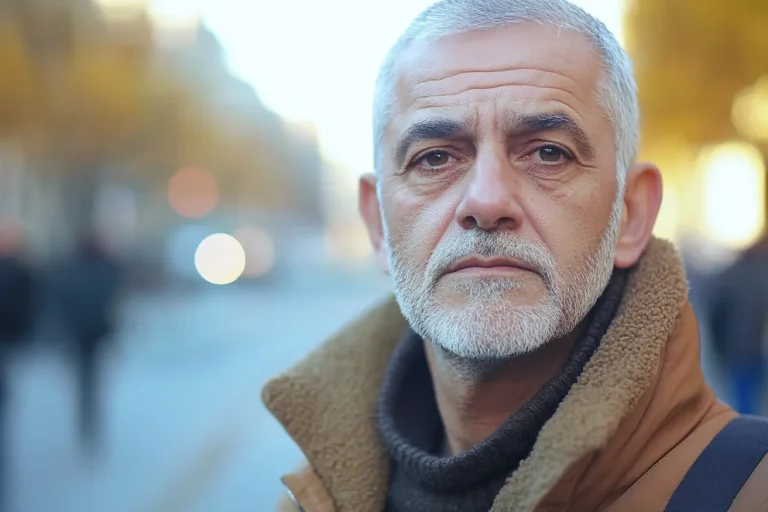
Former CNN anchor Don Lemon arrested
The arrest of journalist Don Lemon has ignited intense controversy in a deeply divided country. This action follows his presence days earlier at a heated anti-immigration protest inside a Minnesota church, where demonstrators confronted a pastor who was also an ICE official.
Federal authorities, including the FBI and Homeland Security Investigations, executed the arrest. The involvement of a grand jury indicates the case is being treated with high seriousness, placing it at a volatile crossroads of journalism, protest, and state power.
Lemon’s attorney, Abbe Lowell, maintains his client was merely performing his professional duties. Lowell asserts Lemon was documenting events, asking questions, and reporting from the scene where news was happening.
To his defenders, the arrest’s timing seems suspicious, appearing more as retaliation than impartial justice. This perception is heightened by unresolved questions surrounding the recent deaths of two protesters, Renee Good and Alex Pretti.
With the specific charges still sealed and federal officials offering little public explanation, the situation is amplifying existing societal tensions. The case is rapidly defining a new front in ongoing national conflicts.
Central to the debate are fundamental tensions between national security and the right to dissent, and between holding individuals accountable and accusations of government intimidation. The arrest forces a difficult question about First Amendment protections.
Ultimately, this case challenges what it means to safeguard free press rights when a journalist reporting on a protest becomes the primary subject of a federal criminal proceeding, shifting the story from the demonstration to the detention.