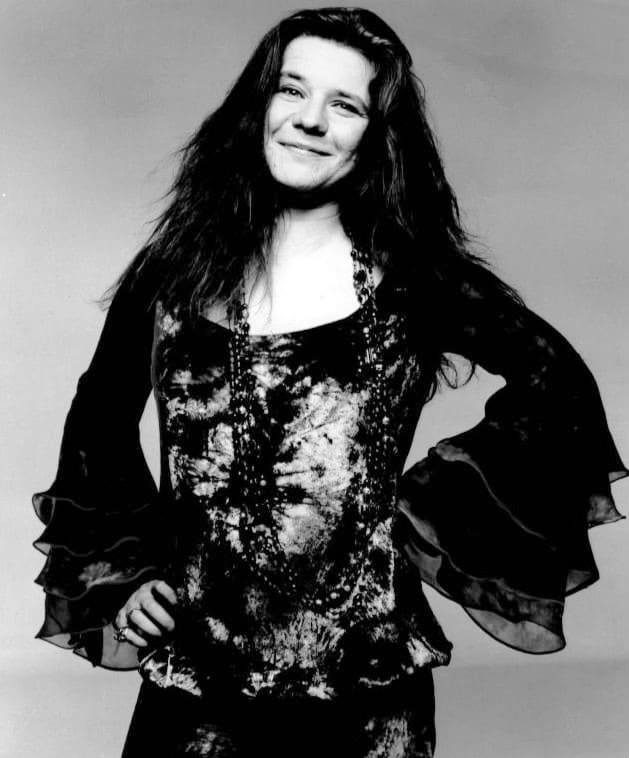
How the girl who was called ugly became the se*iest woman alive
Janis Joplin’s legendary voice seemed to come from somewhere beyond this world, a raw and holy force that defied early cruel judgments about her appearance. Born in 1943 in conservative Port Arthur, Texas, she stood out from the start, embracing beat poetry, blues, and liberal ideals amid a segregated, traditional community.
As a teenager, she became the town’s first female beatnik, rejecting societal norms for young women. This individuality came at a high cost; she endured severe bullying and isolation, exacerbated by painful acne that scarred her face and self-esteem.
The ridicule followed her to the University of Texas, where a humiliating campus contest labeled her “the ugliest man.” Despite this, her musical passion was undeniable. She dropped out in 1963 for San Francisco, surviving on determination while singing in coffeehouses, though record labels initially overlooked her unconventional image.
Her return to Texas in 1965, exhausted and seeking stability, was brief. An invitation to join Big Brother and the Holding Company changed everything. Their 1966 performance at the Monterey Pop Festival electrified the audience, catapulting Joplin to fame.
Suddenly, the woman once mocked was a counterculture icon—a magnetic, fearless rock star. She recorded seminal hits like “Piece of My Heart” and “Me and Bobby McGee,” becoming the first female rock artist to achieve such iconic status.
Despite her success, she carried a deep vulnerability and a need for parental approval, writing home to justify her life choices. Her struggles with substance use, which began in San Francisco, persisted as a way to cope with pressure and loneliness.
Janis Joplin died of a heroin overdose in 1970 at age 27. Her legacy endures as the sound of rebellion and raw truth, a testament to transforming profound pain into timeless, powerful art.