The Trump administration will impose 50% tariffs on all Brazilian imports starting August 1, 2025, potentially disrupting Americans’ morning coffee and orange juice. Brazil currently supplies one-third of U.S. coffee imports and over half of its orange juice. This decision follows failed trade negotiations between the two nations. Trump claims Brazil’s trade policies have created an “unfair” and “non-reciprocal” relationship that the U.S. can no longer accept. The move affects approximately eight million bags of Brazilian coffee exported annually to America. Brazilian President Lula swiftly responded on social media, asserting Brazil’s sovereignty. He emphasized that judicial proceedings against former President Bolsonaro remain an internal Brazilian matter, rejecting any foreign interference. Brazil’s Minister of Institutional Affairs Gleisi Hoffmann condemned Trump’s actions, recalling the previous administration’s subservience to U.S. interests. She advised Trump to focus on domestic issues rather than threatening Brazil’s judicial independence. The tariff announcement appears linked to Trump’s criticism of Bolsonaro’s ongoing corruption trial, which he called a “witch hunt.” This suggests political motivations behind the economic measures. This escalation follows Trump’s April announcement of global “reciprocal tariffs,” including 10% duties on UK imports. Formal notices were recently sent to affected nations, giving them until August to negotiate alternatives. The move could significantly impact U.S. consumers, potentially raising prices for popular Brazilian imports. As trade tensions mount, both nations appear unwilling to back down, setting the stage for a prolonged economic confrontation.
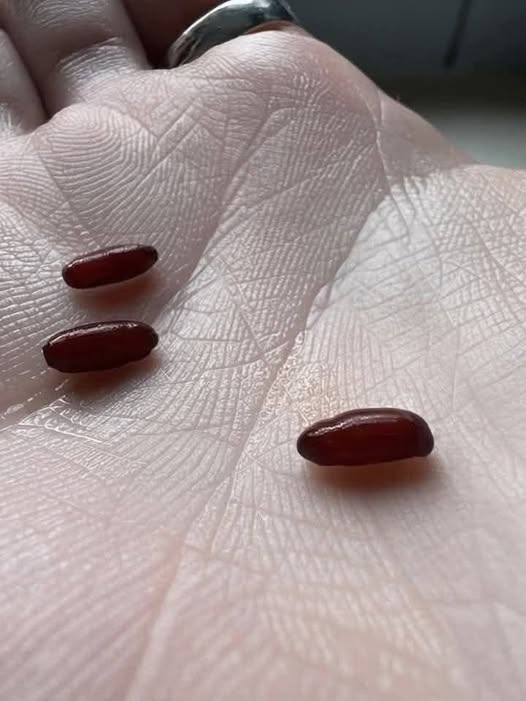
The Trump administration will impose 50% tariffs on all Brazilian imports starting August 1, 2025, potentially disrupting Americans’ morning coffee and orange juice. Brazil currently supplies one-third of U.S. coffee imports and over half of its orange juice.
This decision follows failed trade negotiations between the two nations. Trump claims Brazil’s trade policies have created an “unfair” and “non-reciprocal” relationship that the U.S. can no longer accept. The move affects approximately eight million bags of Brazilian coffee exported annually to America.
Brazilian President Lula swiftly responded on social media, asserting Brazil’s sovereignty. He emphasized that judicial proceedings against former President Bolsonaro remain an internal Brazilian matter, rejecting any foreign interference.
Brazil’s Minister of Institutional Affairs Gleisi Hoffmann condemned Trump’s actions, recalling the previous administration’s subservience to U.S. interests. She advised Trump to focus on domestic issues rather than threatening Brazil’s judicial independence.
The tariff announcement appears linked to Trump’s criticism of Bolsonaro’s ongoing corruption trial, which he called a “witch hunt.” This suggests political motivations behind the economic measures.
This escalation follows Trump’s April announcement of global “reciprocal tariffs,” including 10% duties on UK imports. Formal notices were recently sent to affected nations, giving them until August to negotiate alternatives.
The move could significantly impact U.S. consumers, potentially raising prices for popular Brazilian imports. As trade tensions mount, both nations appear unwilling to back down, setting the stage for a prolonged economic confrontation.